

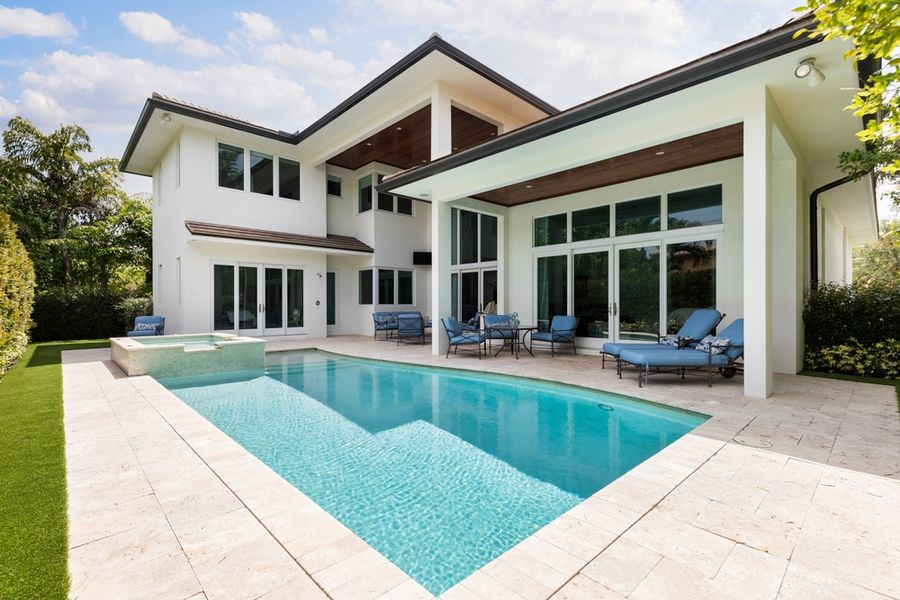
A backyard pool can completely change how a home is enjoyed, turning everyday outdoor space into a place for relaxation, exercise, and connection. Choosing the right pool involves more than picking a shape or style that looks appealing. The best choice balances lifestyle needs, available space, long-term maintenance, and budget. When those elements align, a pool becomes a natural extension of daily life rather than a feature that feels underused or overwhelming.
Above-Ground Pools and Their Practical Appeal
Above-ground pools remain a popular option for homeowners seeking flexibility and lower upfront commitment. They are typically faster to install and can work well in yards where digging is difficult or restricted. Many modern above-ground designs look far more polished than earlier versions, with sturdy frames, deck integration, and durable liners.
This type of pool suits families who want seasonal use or homeowners testing whether pool ownership fits their lifestyle. Maintenance is often simpler, and repairs tend to be more straightforward. While above-ground pools may not add the same long-term value as in-ground options, they offer an accessible entry point into pool ownership with less disruption to the yard.
In-Ground Pools: Concrete, Fiberglass, and Vinyl Liners
In-ground pools offer the most customization and permanence. Concrete pools allow complete design freedom, accommodating nearly any shape, size, or depth. They work well for homeowners who want a fully customized look but require higher upfront costs and ongoing maintenance.
Fiberglass pools come pre-molded, offering quicker installation and smoother surfaces that resist algae buildup. Their shapes are more limited, but long-term maintenance is often lower. Vinyl liner pools provide a middle ground, offering flexibility in shape with a liner that can be replaced over time. Each option has unique advantages, making it important to match material choice with long-term expectations and upkeep preferences.
Pool Shapes That Match How You Use the Space
Pool shape plays a major role in how the space functions. Geometric pools offer clean lines and symmetry, making them ideal for modern or formal landscapes. Their structured design works well for lap swimming and organized layouts.
Freeform pools create a more natural, relaxed look, often blending seamlessly with landscaping. Lap pools prioritize exercise and efficiency, appealing to homeowners focused on fitness. Plunge pools maximize enjoyment in smaller yards by offering a compact place to cool off. Infinity pools emphasize views and visual impact, making them popular in scenic locations. The shape should reflect how the pool will be used rather than purely aesthetic preference.
Choosing the Right Size and Depth
Size and depth influence both enjoyment and maintenance. Larger pools provide room for entertaining and swimming but require more cleaning, water, and energy. Smaller pools are easier to maintain and can still deliver significant enjoyment when designed thoughtfully.
Depth choices depend on intended use. Families with children may prefer gradual entries or shallow areas, while adults focused on exercise may want consistent depths. Deep ends add versatility but increase construction complexity. A pool that fits the scale of the yard and the household’s habits feels more comfortable and easier to integrate into daily routines.
Budget Considerations Beyond Installation
Budget planning should extend beyond initial construction costs. Ongoing expenses such as heating, cleaning, chemicals, and repairs add up over time. In-ground pools generally involve higher long-term costs, while above-ground options tend to be more affordable to maintain.
Additional features like decking, fencing, lighting, and landscaping also affect the overall investment. Energy-efficient pumps, covers, and heating systems can reduce long-term operating costs. A realistic budget accounts for both immediate and future expenses, ensuring the pool remains enjoyable rather than financially stressful.
How Lifestyle Influences the Best Pool Choice
Lifestyle plays a central role in choosing the right pool. Families often prioritize safety features, shallow zones, and space for play. Fitness-focused homeowners may value lap lanes and consistent depths. Those who love entertaining may look for pools that integrate seating, lighting, and surrounding lounge areas.
Maintenance tolerance also matters. Some homeowners enjoy hands-on upkeep, while others prefer low-maintenance designs. Climate, frequency of use, and long-term plans for the home should guide decisions. A pool that aligns with everyday life is more likely to be used regularly and appreciated year after year.
Designing a Pool That Truly Fits
The right pool enhances both the yard and the lifestyle it supports. Thoughtful planning ensures the pool feels like a natural part of the home rather than an afterthought. When material, size, shape, and budget align, pool ownership becomes a source of enjoyment rather than an obligation.
By focusing on how the pool will be used, homeowners can make confident choices that stand the test of time. A well-chosen pool offers relaxation, connection, and value, transforming outdoor space into a place that invites enjoyment every season.