

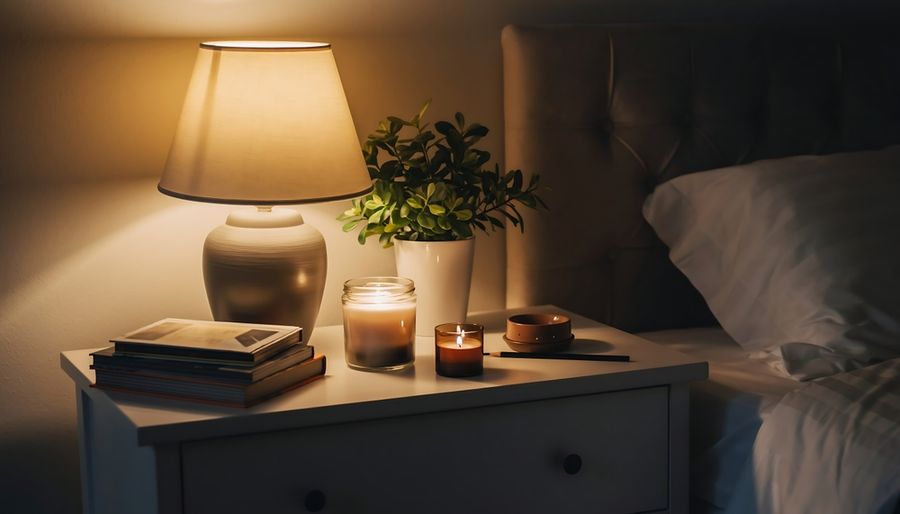
Lighting quietly shapes how a home feels from the moment someone walks in. It influences mood, comfort, and even how spacious a room appears. The right lighting makes a space feel warm and inviting, while poor choices can leave it flat or uncomfortable. Beyond basic brightness, lighting affects how colors appear, how rooms function, and how people experience everyday moments. Thoughtful lighting choices help a home feel balanced, intentional, and truly lived in.
Ambient Lighting Sets the Overall Mood
Ambient lighting provides the foundation for every room. It delivers general illumination that allows people to move comfortably and safely throughout a space. Ceiling fixtures, recessed lights, and natural light sources typically serve this role, establishing the base level of brightness.
When ambient lighting is too harsh, rooms can feel clinical or overwhelming. When it’s too dim, spaces may feel gloomy or impractical. Soft, evenly distributed ambient light creates a sense of calm and openness. Choosing the right bulb temperature also matters, as warmer tones tend to feel cozy while cooler tones feel more energizing. Balanced ambient lighting sets the emotional tone before any other light source comes into play.
Task Lighting Improves Function and Comfort
Task lighting focuses on specific activities, making everyday tasks easier and more comfortable. Reading lamps, under-cabinet kitchen lights, bathroom vanity lights, and desk lamps all fall into this category. Task lighting reduces eye strain and improves precision where focused light is needed.
Without proper task lighting, people often rely on overly bright ambient light, which can feel unpleasant. Well-placed task lights allow the rest of the room to remain softly lit while still supporting productivity. Adjustable fixtures add flexibility, allowing light to be directed exactly where it’s needed. Task lighting enhances both function and ease, making spaces feel thoughtfully designed rather than simply illuminated.
Accent Lighting Adds Depth and Visual Interest
Accent lighting highlights architectural features, artwork, or textures, adding dimension to a room. Wall sconces, picture lights, and spotlights draw attention to specific areas, creating contrast and depth. This type of lighting prevents rooms from feeling flat or one-dimensional.
By emphasizing focal points, accent lighting guides the eye and creates visual rhythm. A well-lit bookshelf, fireplace, or textured wall instantly elevates a space. Accent lighting also contributes to ambiance, especially when used with softer brightness levels. It allows a room to feel layered and dynamic, enhancing the overall atmosphere without overwhelming the senses.
Decorative Lighting Brings Personality and Style
Decorative lighting acts as both a light source and a design statement. Chandeliers, pendant lights, and sculptural fixtures often serve as focal points, reflecting personal style and enhancing a room’s character. Decorative lighting helps define the aesthetic of a space.
While decorative fixtures may not provide sufficient illumination on their own, they play an important role in how a home feels. A bold fixture can make a room feel elegant, playful, or modern, depending on its design. When paired with ambient and task lighting, decorative lighting adds charm and cohesion, turning practical illumination into an expressive design element.
Natural Light Shapes How Spaces Feel During the Day
Natural light has a powerful effect on mood and perception. Rooms filled with daylight tend to feel more open, cheerful, and welcoming. Window placement, window treatments, and reflective surfaces all influence how natural light moves through a home.
Maximizing natural light doesn’t always mean removing coverings entirely. Sheer curtains, light-filtering shades, and strategically placed mirrors help distribute daylight without sacrificing privacy. Natural light changes throughout the day, adding variation and warmth that artificial lighting alone cannot replicate. Homes that embrace daylight often feel more connected to the outdoors and more comfortable to live in.
Layering Lighting Creates Balance and Flexibility
Layered lighting combines ambient, task, accent, and decorative sources to create a balanced and adaptable environment. Rather than relying on a single overhead fixture, layering allows different lights to be used together or separately, depending on the time of day or activity.
This approach gives homeowners control over mood and function. Bright, energizing light works well for cleaning or working, while softer combinations feel ideal for relaxing evenings. Dimmers enhance flexibility even further, allowing light levels to shift effortlessly. Layered lighting makes spaces feel intentional and responsive, adapting to real life rather than forcing one lighting solution to do everything.
Lighting as a Tool for Comfort and Atmosphere
Lighting does more than illuminate rooms; it shapes how people feel within them. Thoughtful choices support daily routines while creating spaces that feel warm and welcoming. When lighting works in harmony, homes feel easier to live in and more enjoyable to spend time in.
By understanding how different types of lighting interact, it becomes possible to design spaces that feel balanced and comfortable. A well-lit home reflects care, intention, and attention to detail, transforming ordinary rooms into places that truly feel like home.