

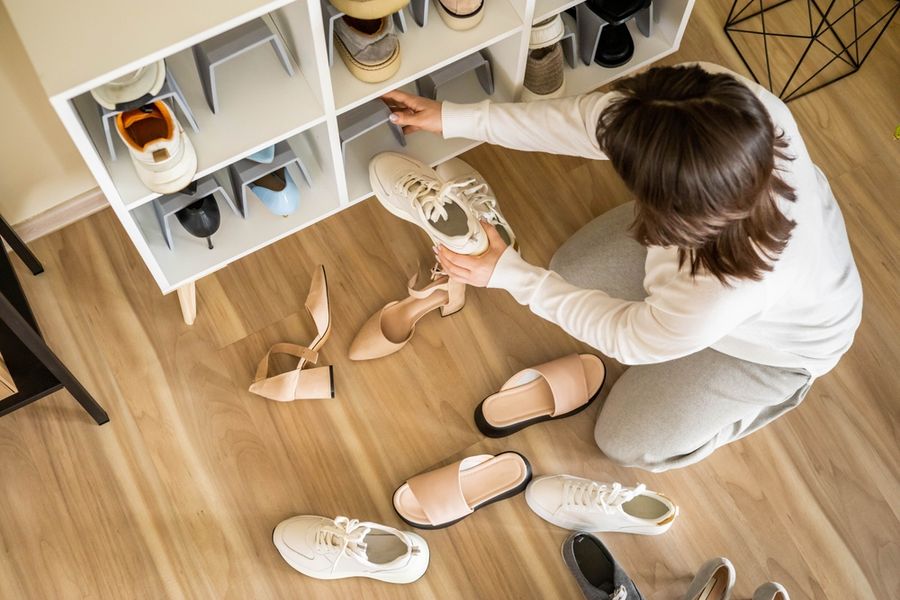
A well-organized home should feel calm, functional, and easy to maintain, yet many organizing efforts quietly backfire. Good intentions often lead to systems that look tidy at first but slowly create more mess over time. Clutter usually builds not from lack of effort, but from habits and setups that don’t match real life. Understanding common organizational missteps can help transform spaces into ones that stay orderly without constant maintenance.
Buying Storage Before Decluttering
One of the most common mistakes happens before organizing even begins. Buying bins, baskets, and containers without first reducing excess items often leads to packed storage rather than true order. Storage solutions can hide clutter temporarily, but they rarely solve the underlying issue of owning too much.
When items are stored without intention, clutter simply gets redistributed instead of eliminated. Closets, cabinets, and drawers fill quickly, making it harder to find what’s needed later. Decluttering first creates clarity about what actually deserves space. Storage should support what remains, not act as a holding zone for items that no longer serve a purpose.
Creating Systems That Are Too Complicated
Organization systems often fail when they require too many steps to maintain. Labels, categories, and rules may look great initially, but overly complex systems tend to be abandoned when daily life gets busy. When putting something away feels like a chore, clutter starts piling up instead.
Simple systems work best because they align with natural habits. Open bins, broad categories, and easy access encourage consistency. If returning an item requires multiple decisions, it’s more likely to be left out. Organization should make life easier, not add another task to the to-do list.
Holding Onto Items “Just in Case”
The habit of keeping items for hypothetical future needs is a major source of clutter. Clothing that might fit someday, gadgets that could be useful later, or decor saved for an undefined occasion often take up valuable space for years.
While preparedness feels responsible, excessive “just in case” items crowd closets and storage areas. This mindset makes it difficult to see what’s already owned and used regularly. Letting go of rarely used items frees space for daily essentials and reduces visual noise. Trusting that future needs can be addressed when they arise helps prevent clutter from quietly accumulating.
Ignoring High-Traffic Drop Zones
Clutter tends to gather where daily routines intersect. Entryways, kitchen counters, nightstands, and bathroom vanities often become dumping grounds when they lack intentional organization. Ignoring these areas allows small piles to grow into persistent messes.
Creating simple landing zones for keys, bags, mail, and daily essentials prevents clutter from spreading. Hooks, trays, and baskets placed where habits already exist work better than systems located elsewhere. When items have a clear home near where they are used, surfaces stay clearer, and cleanup becomes quicker and less stressful.
Storing Items Far From Where They’re Used
Another common mistake involves placing items in spaces that feel logical but don’t match actual behavior. Cleaning supplies stored far from cleaning areas, office items kept away from desks, or kitchen tools stored outside prep zones often lead to clutter when items are left out for convenience.
Proximity matters in organization. Items used frequently should be stored close to where they are needed. This reduces friction and encourages putting things away immediately. When storage aligns with daily routines, clutter decreases naturally without extra effort or reminders.
Organizing Without Adjusting Habits
Even the best organization systems struggle when habits remain unchanged. Organizing a space without addressing how items enter and leave the home leads to short-lived results. Clutter returns quickly when purchasing, storing, and discarding habits stay the same.
Sustainable organization includes mindful consumption and regular resets. Simple routines like weekly surface checks or monthly decluttering sessions help maintain order. Recognizing patterns that contribute to clutter allows adjustments that support long-term success. Organization works best when systems and habits evolve together.
Creating Order That Actually Lasts
True organization supports daily life rather than fighting against it. Systems that feel intuitive, flexible, and realistic stand the test of time. Reducing complexity and aligning storage with habits creates spaces that feel calmer and easier to manage.
A clutter-free home isn’t about perfection or rigid rules. It’s about creating environments that work naturally and adapt as life changes. Avoiding common organization mistakes opens the door to lasting order and a home that feels consistently welcoming.