

A well-maintained home doesn’t just look better—it functions better, lasts longer, and avoids costly surprises. Many serious repairs start as small, manageable issues that quietly worsen over time. Regular maintenance protects both comfort and investment, yet certain tasks are easy to overlook until problems become unavoidable. Paying attention to essential upkeep keeps systems running efficiently, preserves structural integrity, and creates peace of mind knowing the home is prepared for everyday wear and unexpected challenges.
Changing HVAC Filters to Protect Airflow and Efficiency
Changing HVAC filters is one of the simplest yet most important maintenance tasks. Dirty filters restrict airflow, forcing heating and cooling systems to work harder than necessary. Over time, this added strain can shorten equipment lifespan and increase energy costs.
Clean filters also play a major role in indoor air quality. Dust, pollen, pet dander, and other particles build up quickly, especially in homes with pets or high foot traffic. Replacing filters regularly helps maintain healthier air and more consistent temperatures throughout the home. Neglecting this task can lead to uneven heating, higher utility bills, and unnecessary system repairs that are far more expensive than routine filter changes.
Cleaning Gutters to Prevent Water Damage
Gutters protect the home by directing water away from the roof, siding, and foundation. When they become clogged with leaves, debris, and dirt, water can overflow and seep into places it shouldn’t. This often leads to roof damage, rotting fascia boards, and foundation issues.
Regular gutter cleaning prevents water from pooling near the home’s base, which can cause cracks or basement leaks. In colder climates, clogged gutters also increase the risk of ice dams during winter. Keeping gutters clear ensures proper drainage and protects structural elements that are costly to repair once damaged.
Sealing Air Gaps to Improve Comfort and Energy Use
Small air leaks around doors, windows, and utility penetrations can significantly affect a home’s comfort and efficiency. Gaps allow conditioned air to escape while letting drafts, moisture, and outdoor air enter. Over time, this leads to higher energy bills and uneven indoor temperatures.
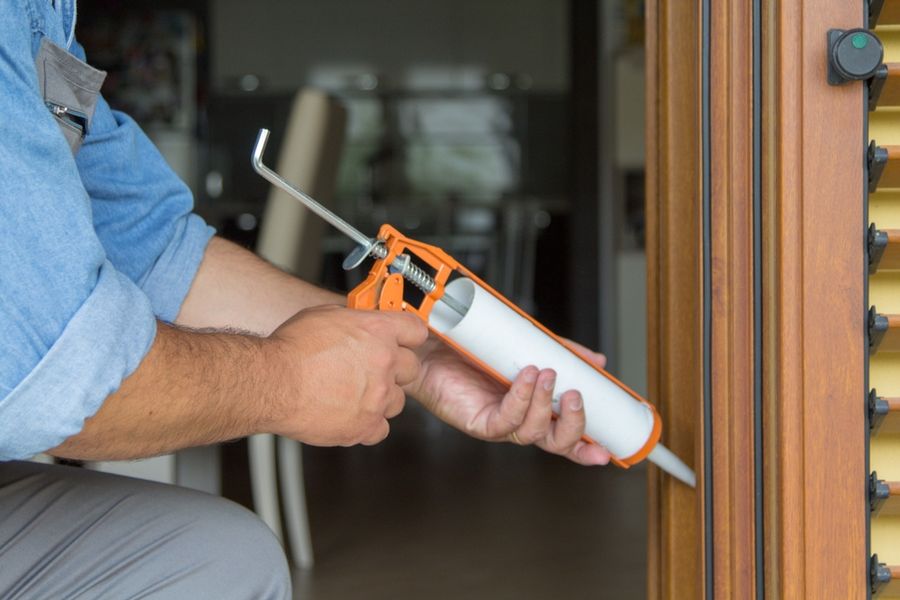
Sealing air gaps with caulk or weatherstripping is a low-cost task with high impact. It helps maintain consistent indoor comfort, reduces strain on HVAC systems, and minimizes moisture intrusion. Addressing air leaks also improves noise control and overall livability, making the home feel more solid and well-insulated.
Cleaning Dryer Vents to Reduce Fire Risk
Dryer vent cleaning is often forgotten but critically important. Lint buildup inside vents restricts airflow, causing dryers to run longer and overheat. This not only reduces efficiency but also creates a serious fire hazard.
A clogged vent forces moisture to remain trapped, potentially leading to mold growth or damage to surrounding materials. Regular cleaning ensures proper airflow, shortens drying times, and improves appliance performance. Keeping dryer vents clear protects both the home and its occupants from avoidable risks tied to neglected maintenance.
Staying Ahead of Pest Control Issues
Pests often enter homes through small openings or unnoticed vulnerabilities. Once inside, they can damage insulation, wiring, and structural components while creating unsanitary conditions. Waiting until an infestation is obvious usually means the problem has already grown.
Preventative pest control helps identify entry points early and discourages pests from settling in. Sealing cracks, addressing moisture issues, and maintaining outdoor areas reduces attraction. Regular inspections protect the home from damage that can be expensive and stressful to resolve after pests become established.
Monitoring Plumbing and Water-Related Systems
Water damage is one of the most costly issues homeowners face, and it often starts with minor plumbing problems. Small leaks under sinks, around toilets, or near appliances can go unnoticed for long periods, leading to mold growth and structural damage.
Regularly checking visible plumbing connections and monitoring water pressure helps catch issues early. Maintaining water heaters, replacing aging hoses, and ensuring proper drainage all reduce the risk of sudden failures. Proactive plumbing maintenance preserves the home’s structure and prevents disruptions that can quickly escalate into major repairs.
Protecting Your Home Through Consistent Care
Home maintenance is an ongoing commitment, not a one-time effort. Tasks that seem minor often play a critical role in preventing long-term damage and maintaining comfort. Consistency matters more than perfection.
By staying ahead of essential maintenance, homeowners protect both daily quality of life and long-term value. Small efforts made regularly create a home that feels reliable, efficient, and well cared for, saving time, money, and stress in the years ahead.